
Blog
5 Clear, Frosted, and Colored Acrylic Sheet Selection Traps That Add $25K in Commercial Rework (And How to Avoid Them)

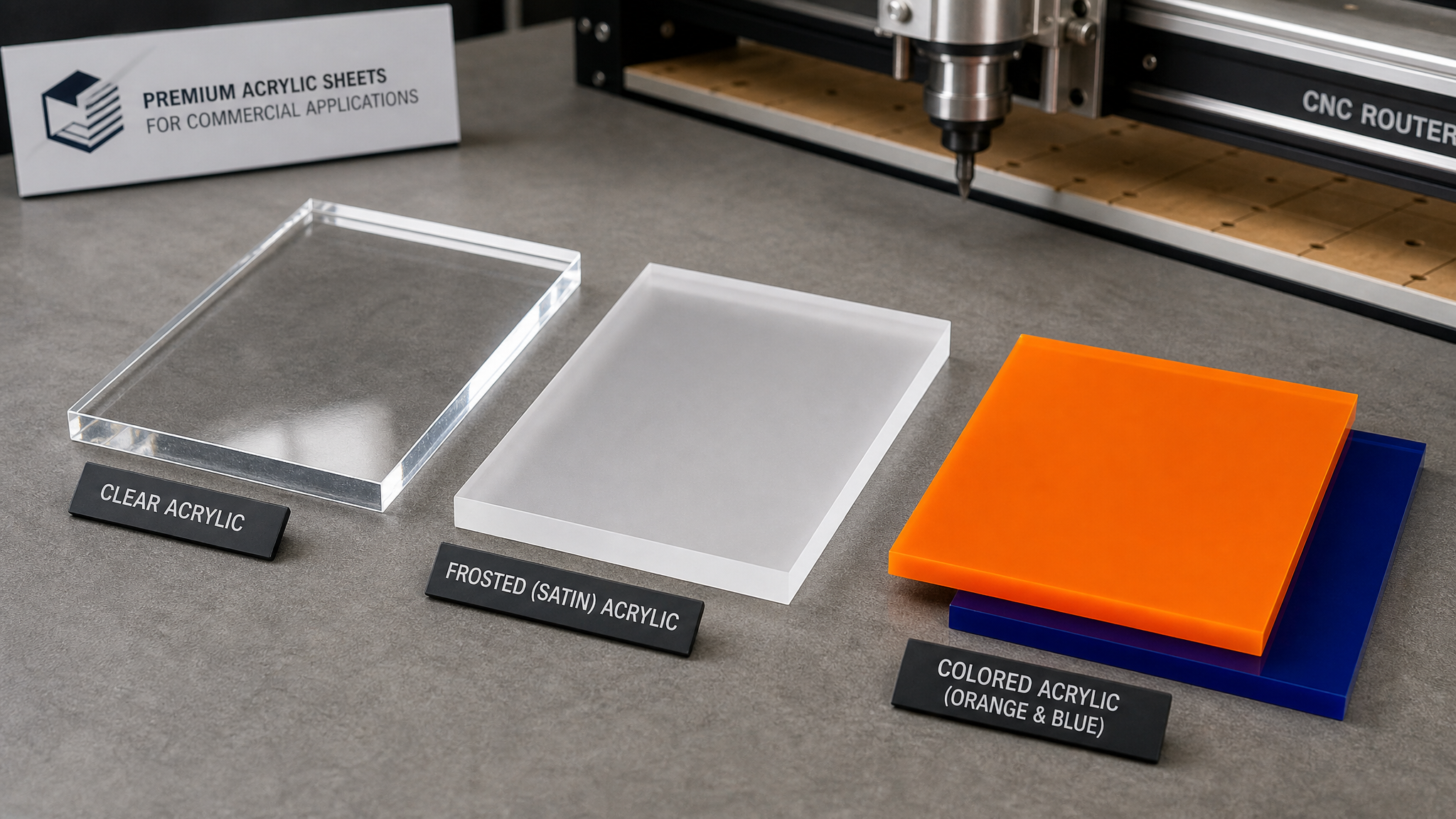
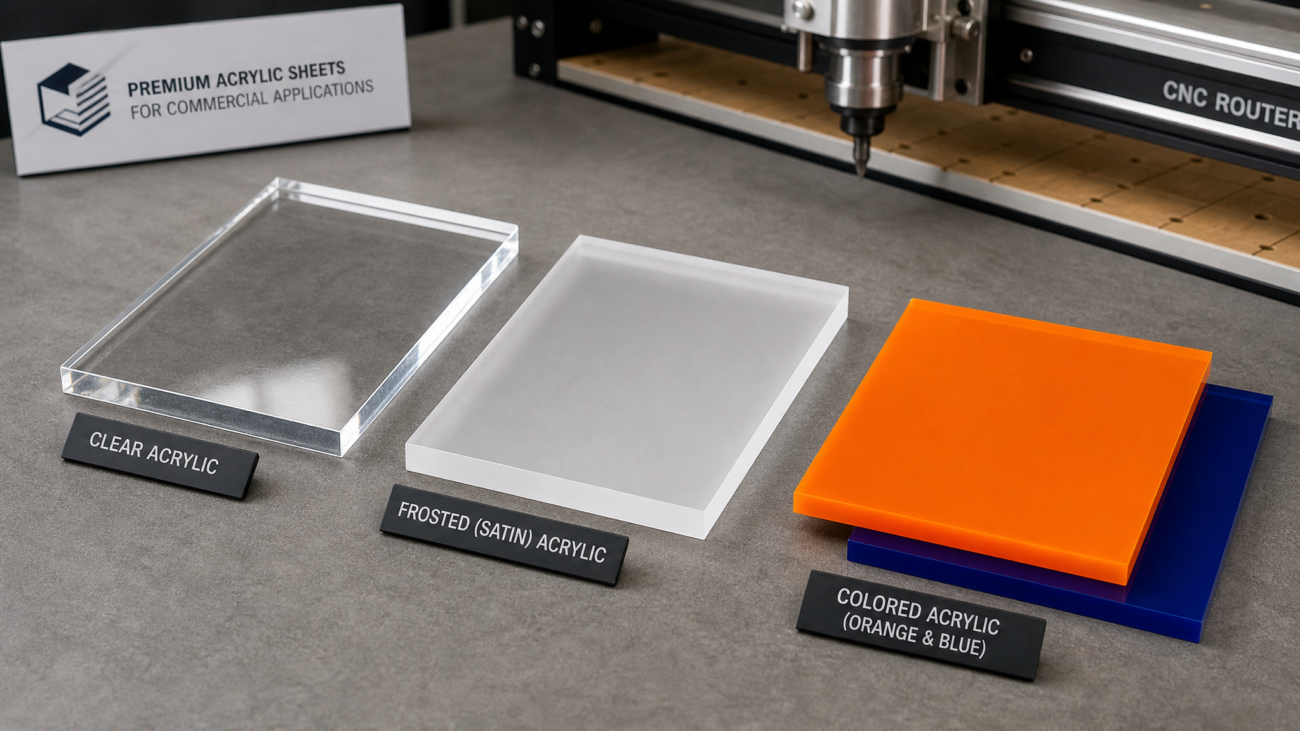
One bad acrylic sheet spec can quietly add **$25,000 in rework** to a commercial fit-out. Industry audits show that **32% of acrylic project overruns** trace back to choosing the wrong clear, frosted, and colored acrylic sheet grade—not to visible product defects. That means the real cost is hidden in light transmission, thickness tolerance, and edge finishing. This guide compares clear, frosted, and colored acrylic sheets side by side so procurement teams can specify the right material the first time.
## Clear, Frosted, and Colored Acrylic Sheets: Spec-Level Comparison
Clear, frosted, and colored acrylic sheets share a PMMA base but differ sharply in light handling, scratch visibility, and color stability. Reliable manufacturers typically publish light transmission, haze, and UV stability data for every batch. Use the table below as a first-pass screening tool before requesting samples.
| Property | Clear Acrylic Sheet | Frosted Acrylic Panel | Colored Acrylic Sheet |
|—|—|—|—|
| Light transmission | **92%** | **70–80% diffused** | **10–70%** depending on tint |
| Scratch visibility | High | Low to medium | Medium |
| Color stability | Excellent | Excellent | Requires UV test |
| Best commercial use | Display cases, barriers | Partitions, light diffusers | Signage, brand fixtures |
### Transparent Acrylic Sheet: Maximum Clarity, Maximum Scratch Visibility
Transparent acrylic sheet offers **92% light transmission**, higher than standard glass. It is the default choice for display cases, protective barriers, and architectural glazing. The trade-off is that scratches and fingerprints show immediately, which raises maintenance labor in high-touch retail environments.
### Frosted Acrylic Panel: Diffusion and Privacy Without Darkening
Frosted acrylic panels diffuse light to reduce glare while still transmitting **70–80% of light**. They hide fingerprints better than clear sheets and are common in office partitions, reception desks, and backlit sign faces. The main weakness is that abrasive cleaners create permanent shiny streaks.
### Colored Acrylic Sheet: Brand Impact and UV Stability
Colored acrylic sheets deliver saturated, consistent brand color in **1,000+ standard and custom shades**. High-grade UV-stabilized colored sheets resist indoor fading for **5–10 years**, but cheap dyes can shift within **18 months** under LED or window light. Always request a lightfastness test report for retail installations.
## Commercial Application Scenarios for Clear, Frosted, and Colored Acrylic Sheets
Clear, frosted, and colored acrylic sheets solve different problems in commercial spaces. The right material choice reduces maintenance and improves the customer experience. Use these application notes as a specification baseline.
### Retail Displays and Point-of-Sale Fixtures
Clear acrylic sheet keeps products visible and feels more premium than glass when edge-polished. Colored acrylic sheet creates brand blocking in headers, bins, and risers. Frosted acrylic panel hides cables and scratches in high-touch display areas.
### Office Partitions and Privacy Screens
Frosted acrylic panel delivers privacy while preserving natural light in open-plan offices. For unsupported panels, specify **10 mm** thickness to prevent bowing. Clear acrylic is better only for transaction windows or sightline-critical areas.
### Signage, Wayfinding, and Backlit Graphics
Colored acrylic sheet cuts cleanly into dimensional letters, logo panels, and wayfinding signs. Pair a clear acrylic face with a frosted acrylic diffuser to remove LED hot spots in backlit signs. This stack is the standard detail for premium backlit signage.
### Food Service and Hygiene-Sensitive Areas
Use food-grade clear acrylic for sneeze guards and bakery display cases. Frosted textured surfaces should be avoided in food prep areas because grooves trap residue. Reliable manufacturers can supply FDA and EU food-contact certificates for food-safe installations.
## Hidden Cost Drivers for Clear, Frosted, and Colored Acrylic Sheets
The sticker price of a clear, frosted, or colored acrylic sheet is rarely the true cost. Fabrication labor, rework, and replacement usually determine total cost of ownership. The three levers below have the biggest impact on final project cost.
### Cast vs Extruded Acrylic: Where Rework Starts
Cast acrylic machines cleanly and holds tighter thickness tolerance, typically **±10%**. Extruded acrylic is cheaper but can vary **±15% or more**, causing fit failures in routed slots and joining details. Choose cast acrylic for CNC-routed clear, frosted, or colored acrylic parts; reserve extruded for flat, low-tolerance panels.
### Thickness Tolerance and Flatness
Specify thickness by load, span, and finish—not by previous habit. A **3 mm clear acrylic sheet** works for point-of-sale graphic panels, while a **10–12 mm frosted acrylic panel** is required for freestanding partitions. Industry audits show that undersized sheets add **20–30% in bracing, shimming, and replacement labor**.
### UV Printing, Edge Finishing, and Lamination
Flame polishing produces a glossy edge but can introduce micro-stress in clear acrylic. Diamond polishing is safer for structural colored acrylic components. UV printing directly onto clear or frosted acrylic removes adhesive film failure, but outdoor applications require a certified adhesion and UV exposure test.
## Supplier Red Flags When Buying Clear, Frosted, and Colored Acrylic Sheets
Cheap quotes hide expensive problems. These are the red flags procurement teams should screen before placing a commercial acrylic sheet order. A reliable supplier will not hesitate to share batch data.
### Red Flag 1: ‘Cast-Grade’ Claims Without Batch Data
Ask for the actual thickness tolerance report and polymer source. Reliable manufacturers typically provide optical, physical, and UV test data per production batch. If a supplier refuses, treat the ‘cast-grade’ label as marketing.
### Red Flag 2: Vague Color and Lightfastness Specs
For colored acrylic sheet, require a CIELAB delta E value under **1.0** for batch consistency. Ask for accelerated UV lightfastness data if the panel faces windows or LED wash. Without this, expect visible color shift within **18–24 months**.
### Red Flag 3: Hidden MOQ, Cutting, and Packaging Charges
Low sheet prices often exclude cutting tolerance, protective masking, edge polishing, and crating. To avoid costly chargebacks, confirm whether the quote includes two-side film masking, palletized freight, and replacement coverage for transit damage.
## How to Specify Clear, Frosted, or Colored Acrylic Sheets Without Rework
A tight specification removes guesswork from fabrication and keeps suppliers accountable. Use the checklist below before issuing a purchase order. It turns material selection into a repeatable procurement process.
### Selection Checklist
– Confirm cast vs extruded grade and request a thickness tolerance certificate.
– Specify light transmission for clear, haze for frosted, and delta E for colored.
– Match thickness to span, load, and finishing method—not to habit.
– Compare total cost of ownership, including fabrication, rework, freight, and replacement.
– Request FDA or fire certificates if required by local code or health authority.
## Key Takeaways and Next Step
The difference between a profitable commercial install and a $25K rework bill usually comes down to three clear, frosted, or colored acrylic sheet decisions.
1. **Match the material to the job:** use clear acrylic for visibility, frosted acrylic for diffusion and privacy, and colored acrylic for branded impact.
2. **Verify grade and tolerance:** reject quotes that cannot document cast vs extruded acrylic or batch color data.
3. **Control TCO from day one:** specify thickness, edge finishing, UV printing, and packaging before comparing sheet prices.
Use this checklist to audit your current acrylic sheet supplier—or attach it to your next RFQ for a fabrication partner that offers cast, extruded, frosted, tinted, and UV-printed acrylic options with batch-level test data.
—
## 📚 Related Resources
– Cast vs extruded acrylic sheet guide — /materials/cast-vs-extruded-acrylic
– Acrylic UV printing process and adhesion testing — /processes/acrylic-uv-printing
– Acrylic sheet thickness and flatness tolerance standards — /resources/acrylic-sheet-tolerance
– Commercial acrylic sheet RFQ checklist — /resources/acrylic-sheet-rfq-checklist
—
## ❓ Frequently Asked Questions
**Q: Which is better for retail displays, clear or frosted acrylic?**
**A:** Clear acrylic is better when product visibility is the priority; frosted acrylic is better for hiding scratches, glare, and cable clutter. Many premium retail fixtures combine both.
**Q: How do cast and extruded acrylic sheets differ in commercial projects?**
**A:** Cast acrylic has tighter thickness tolerance and machines more cleanly, making it safer for CNC-routed parts. Extruded acrylic costs less but can vary more, so it is best for flat panels without tight joinery.
**Q: What thickness should I choose for acrylic signage or partitions?**
**A:** For printed graphic panels, 3 mm clear acrylic is common. For freestanding or unsupported partitions, 10–12 mm frosted acrylic reduces bowing and improves durability.
**Q: Can colored acrylic sheets fade under LED or window light?**
**A:** UV-stabilized colored acrylic can resist indoor fading for 5–10 years. Low-cost dyed sheets may shift within 18–24 months, so request a lightfastness report for any light-exposed installation.
**Q: What are the biggest supplier red flags when buying acrylic sheets in bulk?**
**A:** Watch for ‘cast-grade’ claims without batch data, missing color or UV lightfastness reports, and quotes that exclude masking, cutting tolerance, or crating. These hidden gaps often create rework and chargebacks.